
WELCOME TO SUMATRA
Bukit Lawang Travel Guide: Ultimate Orangutan Trekking & Adventure in Sumatra
Discover everything you need to know about Bukit Lawang, the gateway to Gunung Leuser National Park and one of the best places in the world to see wild Sumatran orangutans. This complete Bukit Lawang Travel Guide covers orangutan trekking, the best time to visit, how to get there, top attractions, wildlife, accommodation, travel tips, and unforgettable jungle adventures to help you plan the perfect trip to North Sumatra, Indonesia.
Bukit Lawang is one of Indonesia’s most extraordinary destinations, offering visitors a rare opportunity to experience one of the world’s oldest tropical rainforests while observing endangered Sumatran orangutans in their natural habitat. Located on the edge of Gunung Leuser National Park in North Sumatra, this peaceful riverside village has become one of Southeast Asia’s most popular ecotourism destinations.
Whether you’re planning a short jungle trek or a multi-day rainforest expedition, this Bukit Lawang Travel Guide covers everything you need to know—from how to get there and the best time to visit to trekking options, wildlife encounters, accommodation, local food, and practical travel tips.
Unlike many commercial tourist destinations, Bukit Lawang offers authentic experiences led by local guides who know the rainforest intimately. Every trek supports conservation efforts, local communities, and sustainable tourism practices that help protect one of the last remaining habitats of the critically endangered Sumatran orangutan.
Why Visit Bukit Lawang?
Bukit Lawang attracts thousands of international travelers every year, and for good reason. Few places in the world allow visitors to hike through pristine rainforest while witnessing wild orangutans living freely among towering tropical trees.
The village serves as the main gateway to Gunung Leuser National Park, a UNESCO-recognized rainforest ecosystem that stretches across North Sumatra and Aceh. This protected area is home to incredible biodiversity, including:
- Sumatran Orangutans
- Thomas Leaf Monkeys
- Long-tailed Macaques
- Pig-tailed Macaques
- Siamang Gibbons
- Hornbills
- Monitor Lizards
- Flying Squirrels
- Rare tropical birds
- Thousands of plant species
Beyond wildlife, Bukit Lawang is famous for its crystal-clear Bohorok River, lush jungle scenery, welcoming local community, and relaxed atmosphere that contrasts with Indonesia’s busy cities.
For travelers seeking adventure, nature, and meaningful experiences, Bukit Lawang offers an unforgettable escape into one of the world’s most important rainforests.
Where Is Bukit Lawang?
Bukit Lawang is located approximately 90 kilometers northwest of Medan, the capital city of North Sumatra Province.
The village sits at the entrance to Gunung Leuser National Park, one of the largest protected rainforest ecosystems in Southeast Asia.
Distance from Major Locations
- Medan → 3–4 hours
- Kualanamu International Airport → 4–5 hours
- Berastagi → 5–6 hours
- Lake Toba → 6–8 hours
Most visitors arrive in Medan by domestic or international flight before continuing to Bukit Lawang by private transfer, shared shuttle, or public transport.
How to Get to Bukit Lawang
Traveling to Bukit Lawang is relatively straightforward, with several transportation options depending on your budget and comfort level.
1. Private Airport Transfer
The easiest and most comfortable option is to arrange a private transfer directly from Kualanamu International Airport (KNO).
Advantages include:
- Direct hotel pickup
- Air-conditioned vehicle
- English-speaking driver (available with many operators)
- Flexible departure time
- No need to change buses
This option is especially recommended for families, couples, and travelers arriving after long international flights.
2. Tourist Shuttle
Many hotels and trekking operators provide daily shuttle services between Medan and Bukit Lawang.
Benefits include:
- Affordable price
- Comfortable vans
- Easy booking
- Popular among backpackers
3. Public Bus
Budget travelers can also take a local bus from Medan to Binjai before transferring to Bukit Lawang.
Although this option is inexpensive, it usually takes longer and can be confusing for first-time visitors.
Best Time to Visit Bukit Lawang
Bukit Lawang can be visited throughout the year, but weather conditions may affect trekking experiences.
Dry Season (May–September)
The dry season is generally considered the best time for jungle trekking. Trails are less muddy, river crossings are easier, and wildlife is often easier to spot.
Advantages:
- Comfortable trekking conditions
- Better photography
- Clearer river
- More stable weather
Rainy Season (October–April)
Rainfall is more frequent during these months, creating lush rainforest scenery and fewer tourists.
Advantages include:
- Greener landscapes
- Quieter trekking routes
- Better accommodation availability
- Rich rainforest atmosphere
Professional guides continue operating safely during this period, adjusting routes based on weather conditions.
Weather in Bukit Lawang
Bukit Lawang has a tropical rainforest climate with warm temperatures throughout the year.
Average daytime temperature ranges between 24°C and 32°C (75°F–90°F).
Humidity is consistently high, making lightweight, breathable clothing the best choice for trekking.
Afternoon rain showers are common, even during the dry season, so packing a lightweight rain jacket is always recommended.
History of Bukit Lawang
Bukit Lawang gained international recognition in the 1970s with the establishment of an orangutan rehabilitation center. The program helped rehabilitate captive and displaced orangutans before gradually returning them to the wild.
Over time, conservation strategies evolved, shifting away from rehabilitation tourism toward protecting wild orangutan populations and preserving their natural habitat. Today, trekking focuses on observing orangutans responsibly in the rainforest while minimizing human impact.
A devastating flash flood in 2003 caused significant damage to the village, but the local community rebuilt Bukit Lawang with a stronger commitment to sustainable tourism and environmental conservation. Since then, the destination has become a model for community-based ecotourism in Indonesia.
Why Bukit Lawang Is Famous for Orangutan Trekking
Bukit Lawang is one of the few places on Earth where visitors have a realistic chance of seeing wild Sumatran orangutans in their natural environment.
Unlike zoos or wildlife parks, sightings occur while hiking through the rainforest, where orangutans move freely among towering trees in search of fruit and leaves. Each encounter is unique and depends on the animals’ natural behavior.
Experienced local guides help visitors observe wildlife responsibly, maintain safe distances, and understand the ecology of the rainforest. This approach supports conservation while offering an authentic jungle experience that cannot be replicated elsewhere.
Orangutan Trekking in Bukit Lawang
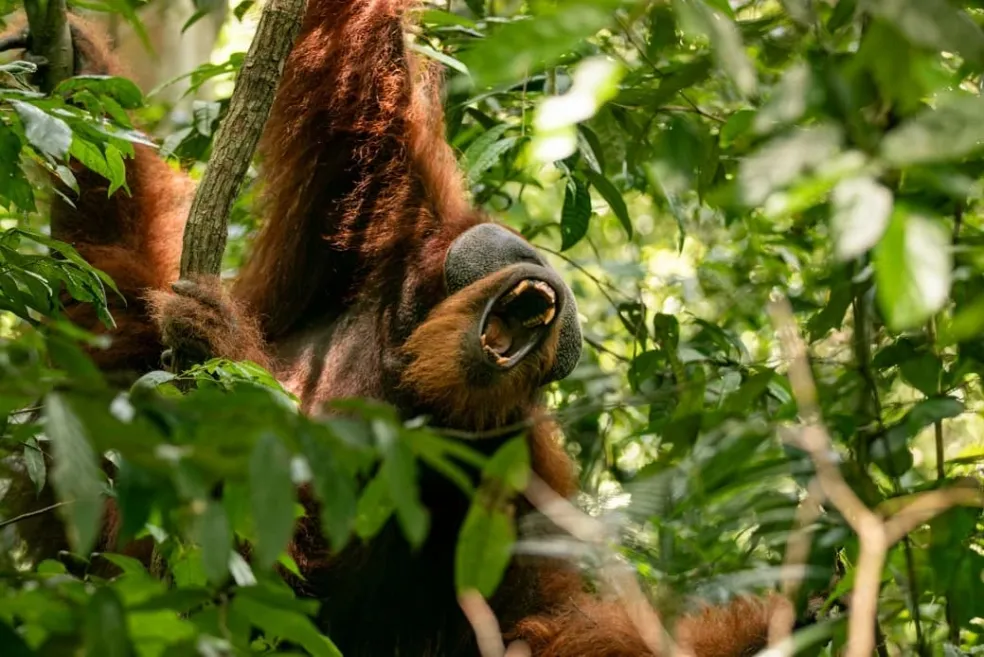
No visit to Bukit Lawang is complete without experiencing an orangutan trekking adventure in the lush rainforest of Gunung Leuser National Park. This is the main reason why thousands of travelers from Europe, Australia, North America, and Asia visit Bukit Lawang every year.
Unlike visiting a zoo, trekking in Bukit Lawang allows you to observe wild Sumatran orangutans in their natural environment. These critically endangered great apes move freely through the rainforest, climbing trees, searching for fruit, and caring for their young. Every trek is different, making each experience truly unique.
Professional local guides lead visitors through the jungle, sharing their knowledge about the rainforest ecosystem, wildlife behavior, medicinal plants, and conservation efforts. Their expertise greatly increases your chances of spotting orangutans and other fascinating wildlife while ensuring the experience is safe and respectful to nature.
Types of Orangutan Trekking Tours
Bukit Lawang offers trekking options suitable for different fitness levels, schedules, and adventure preferences.
Half-Day Orangutan Trek
Perfect for travelers with limited time, the half-day trek lasts around 3–4 hours and focuses on exploring the lower rainforest. It offers an excellent chance to see orangutans and several monkey species while enjoying a relatively easy hike.
Ideal for:
- Families
- Beginners
- Short visits
- Children
- Day trips from Bukit Lawang
Full-Day Jungle Trek
A full-day trek provides a more immersive rainforest experience. Visitors hike deeper into Gunung Leuser National Park, increasing the chances of encountering a wider variety of wildlife while enjoying spectacular jungle scenery.
The trek usually includes:
- Fresh tropical fruit
- Local lunch in the jungle
- River viewpoints
- Wildlife observation
- Experienced English-speaking guide
2 Days 1 Night Jungle Trek
This is the most popular trekking package in Bukit Lawang.
During this adventure, visitors camp overnight in the rainforest beside a river. Guides prepare traditional Indonesian meals while guests relax, swim in the river, and enjoy the sounds of the jungle after sunset.
Many travelers consider this overnight experience the highlight of their trip to Indonesia.
3 Days and Longer Expeditions
For nature enthusiasts, photographers, and experienced hikers, multi-day treks provide access to more remote parts of Gunung Leuser National Park.
These expeditions offer opportunities to:
- Explore untouched rainforest
- Discover hidden waterfalls
- Visit remote jungle camps
- Observe more wildlife
- Experience true wilderness
The longer you stay in the rainforest, the greater your chances of witnessing extraordinary wildlife encounters.
Wildlife You May Encounter
Gunung Leuser National Park is one of the richest ecosystems on Earth. Besides orangutans, visitors may encounter numerous fascinating species.
Sumatran Orangutans
The star attraction of Bukit Lawang is undoubtedly the Sumatran orangutan (Pongo abelii). Fewer than 15,000 remain in the wild, making every sighting a privilege.
Watching an orangutan swing effortlessly through the rainforest canopy or care for its baby is an unforgettable experience.
Thomas Leaf Monkey
Known for their distinctive white facial markings and playful personalities, Thomas Leaf Monkeys are found only in northern Sumatra.
These energetic monkeys often leap between trees in large family groups and are frequently seen during jungle treks.
Long-tailed Macaques
Highly intelligent and curious, Long-tailed Macaques are commonly spotted near the forest edge and riverbanks.
Although accustomed to people, visitors should never feed them.
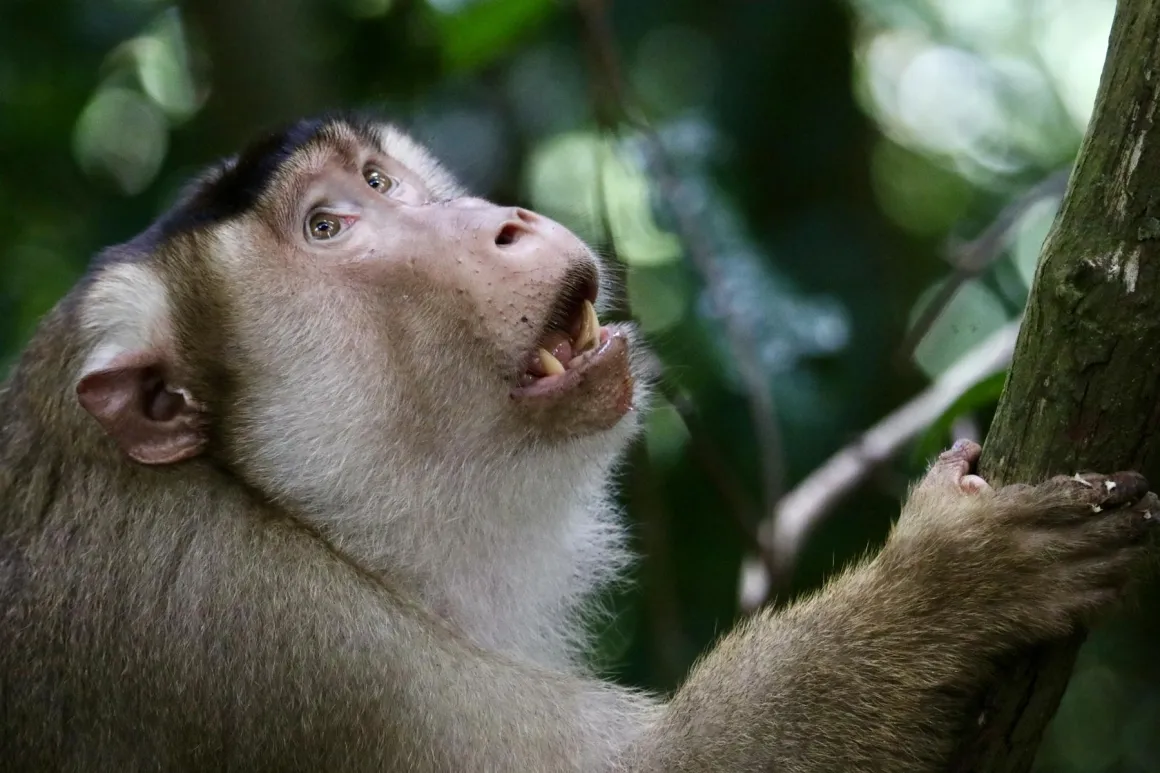
Pig-tailed Macaques
These powerful monkeys spend much of their time foraging on the forest floor and are often observed searching for fruit.
Siamang Gibbons
If you’re lucky, you’ll hear the haunting morning calls of Siamang Gibbons echoing across the rainforest.
Although difficult to spot due to their preference for the upper canopy, hearing their songs is a memorable part of the jungle experience.
Tropical Birds
Birdwatchers will enjoy searching for:
- Rhinoceros Hornbills
- Kingfishers
- Woodpeckers
- Eagles
- Drongos
- Broadbills
The rainforest is home to hundreds of bird species, making Bukit Lawang a fantastic destination for bird photography.
Reptiles and Other Wildlife
Visitors may also encounter:
- Monitor Lizards
- Flying Squirrels
- Forest Turtles
- Tree Frogs
- Butterflies
- Colorful insects
Every trek offers different wildlife encounters depending on the season, weather, and trail conditions.
Things to Do in Bukit Lawang
While orangutan trekking is the main attraction, Bukit Lawang offers many other enjoyable activities.
Jungle Tubing
After completing a trek, many visitors return to the village by floating down the Bohorok River on large rubber tubes.
This fun activity combines beautiful scenery with a refreshing end to the adventure.
Explore the Bohorok River
The crystal-clear Bohorok River is perfect for swimming, relaxing, or simply enjoying the peaceful surroundings.
Many riverside cafés offer excellent views where visitors can unwind after a day in the jungle.
Visit Bat Cave
Located a short hike from the village, Bat Cave features impressive limestone formations and thousands of bats.
The walk passes through rubber plantations and local farmland, providing insight into rural life in North Sumatra.
Village Walk
Walking through Bukit Lawang allows visitors to discover:
- Local markets
- Traditional houses
- Handmade souvenirs
- Friendly cafés
- Small restaurants
- Riverside viewpoints
The relaxed atmosphere makes exploring on foot enjoyable.
Bird Watching
Bukit Lawang is a paradise for bird enthusiasts. Early morning walks often reveal spectacular tropical birds that are active before sunrise.
Photography
Every corner of Bukit Lawang offers incredible photography opportunities, including:
- Rainforest landscapes
- Orangutans
- Exotic wildlife
- River scenery
- Jungle camps
- Tropical flowers
- Local village life
Adventure Activities
Visitors seeking additional excitement can also enjoy:
- River tubing
- Jungle camping
- Night walks
- Waterfall hikes
- Wildlife photography tours
- Nature education programs
Responsible Orangutan Tourism
Protecting wildlife is essential for preserving Bukit Lawang for future generations.
When trekking, visitors should:
- Never feed orangutans.
- Maintain a safe distance of at least 10 meters.
- Avoid using flash photography.
- Stay with your guide at all times.
- Do not leave litter in the rainforest.
- Respect wildlife and avoid loud noises.
- Follow all park regulations.
Responsible tourism helps protect endangered wildlife while supporting local communities that depend on sustainable ecotourism.
Sample 3-Day Bukit Lawang Itinerary
Day 1
- Arrive from Medan or Kualanamu Airport.
- Check in to your accommodation.
- Explore the riverside village.
- Enjoy local Indonesian cuisine.
- Relax by the Bohorok River.
Day 2
- Start an early morning orangutan trekking adventure.
- Spot orangutans and other wildlife.
- Enjoy lunch in the rainforest.
- Continue trekking through Gunung Leuser National Park.
- Camp overnight in the jungle beside the river.
- Experience a traditional jungle dinner under the stars.
Day 3
- Wake up to the sounds of the rainforest.
- Continue wildlife spotting during the morning trek.
- Return to Bukit Lawang by jungle tubing along the Bohorok River.
- Freshen up before departing for your next destination, such as Berastagi or Lake Toba.
Where to Stay in Bukit Lawang
Bukit Lawang offers a wide range of accommodation, from budget guesthouses to comfortable eco-lodges overlooking the Bohorok River. Most hotels are within walking distance of restaurants, cafés, and the entrance to Gunung Leuser National Park.
Whether you’re a backpacker, couple, family, or solo traveler, you’ll find accommodation that suits your budget while enjoying the peaceful atmosphere of this charming riverside village.
Budget Guesthouses
Budget accommodations provide simple yet comfortable rooms, often with fans, private bathrooms, and beautiful jungle or river views. They are ideal for travelers who plan to spend most of their time exploring the rainforest.
Average Price
- US$10–25 per night
Mid-Range Hotels
Mid-range hotels offer larger rooms, air conditioning, hot showers, Wi-Fi, and breakfast. Many also feature balconies overlooking the river, making them a great choice for couples and families.
Average Price
- US$30–70 per night
Eco-Lodges
Eco-lodges are designed for travelers seeking a more immersive nature experience. Built with sustainable materials and surrounded by tropical greenery, they provide a relaxing stay while supporting environmentally responsible tourism.
Many eco-lodges collaborate with local communities and conservation initiatives, allowing visitors to contribute directly to the preservation of Gunung Leuser National Park.
Best Places to Eat in Bukit Lawang
Despite being a small village, Bukit Lawang has a surprisingly diverse food scene.
Visitors can enjoy:
- Traditional Indonesian dishes
- Fresh tropical fruit
- Fried rice (Nasi Goreng)
- Fried noodles (Mie Goreng)
- Chicken satay
- Fresh river fish
- Vegetarian meals
- Vegan options
- Homemade smoothies
- Local coffee
Many restaurants are located along the Bohorok River, providing beautiful views while you dine.
What to Pack for Bukit Lawang
Packing wisely will make your jungle adventure more enjoyable and comfortable.
Essential Clothing
- Lightweight quick-dry shirts
- Breathable trekking pants
- Comfortable shorts
- Rain jacket
- Light sweater for cooler evenings
- Extra socks
- Hat or cap
Footwear
- Hiking shoes
- Trekking sandals
- Waterproof footwear (optional)
Good footwear is essential because some trails can become muddy after rainfall.
Personal Items
Bring the following essentials:
- Refillable water bottle
- Sunscreen
- Insect repellent
- Sunglasses
- Personal medication
- Passport copy
- Cash (ATMs are limited)
- Small backpack
- Dry bag
- Camera
- Power bank
Travel Costs in Bukit Lawang
Bukit Lawang is one of Indonesia’s most affordable adventure destinations.
Approximate daily expenses:
| Item | Average Cost |
|---|---|
| Budget Accommodation | US$10–25 |
| Mid-Range Hotel | US$30–70 |
| Meals | US$3–10 |
| Coffee | US$1–3 |
| Airport Transfer | Depends on vehicle type |
| Orangutan Trekking | Varies by package |
Booking directly with a trusted local operator often provides the best value and supports the local community.
Is Bukit Lawang Safe?
Yes. Bukit Lawang is generally considered one of the safest destinations in North Sumatra.
The local community is welcoming, and tourism has been an important part of village life for decades.
As with any destination, follow basic travel precautions:
- Keep valuables secure.
- Stay on marked trails.
- Follow your guide’s instructions.
- Avoid swimming in strong river currents.
- Respect wildlife.
- Purchase travel insurance before your trip.
Internet & Mobile Coverage
Most hotels, cafés, and guesthouses provide free Wi-Fi.
Mobile coverage is generally reliable in the village but becomes limited once you enter deeper sections of the rainforest. This offers a rare opportunity to disconnect from technology and immerse yourself in nature.
Responsible Tourism in Bukit Lawang
Responsible travel plays a crucial role in protecting the rainforest and supporting local livelihoods.
You can help by:
- Hiring licensed local guides.
- Staying at locally owned accommodations.
- Buying handmade souvenirs from local artisans.
- Reducing single-use plastic.
- Carrying reusable water bottles.
- Respecting wildlife and their natural habitat.
- Following all national park regulations.
Every responsible choice contributes to the long-term conservation of Gunung Leuser National Park.
Why Choose an Ethical Orangutan Trek?
Ethical trekking ensures that wildlife remains wild and that tourism benefits both nature and local communities.
A responsible trekking experience includes:
- Safe wildlife viewing distances.
- No feeding or touching orangutans.
- Small group sizes.
- Certified local guides.
- Minimal environmental impact.
- Support for conservation and local employment.
By choosing an ethical operator, you help protect one of the world’s last remaining habitats for the critically endangered Sumatran orangutan.
Frequently Asked Questions
How many days should I stay in Bukit Lawang?
A stay of 2–4 days is ideal. This allows time for an orangutan trek, relaxing by the river, and exploring the village.
Can beginners join an orangutan trek?
Yes. Half-day and full-day treks are suitable for most beginners with a reasonable level of fitness. Multi-day treks require greater endurance but remain accessible for active travelers.
Will I definitely see orangutans?
There is a very high chance, but sightings can never be guaranteed because the orangutans are wild animals. Their movements depend on natural conditions and food availability.
Is Bukit Lawang suitable for families?
Yes. Families with children often enjoy half-day treks, village walks, and riverside activities. Trek difficulty can be adjusted to suit the group’s abilities.
What is the best time to visit Bukit Lawang?
The dry season, from May to September, generally offers the best trekking conditions. However, Bukit Lawang is a year-round destination with rewarding wildlife experiences in every season.
Do I need a guide?
Yes. All treks inside Gunung Leuser National Park should be conducted with a licensed local guide to ensure safety, support conservation efforts, and enhance your wildlife experience.
Final Travel Tips
Before visiting Bukit Lawang:
- Book your trek in advance during peak season.
- Wear lightweight, breathable clothing.
- Carry enough cash, as card payment options are limited.
- Respect local customs and wildlife.
- Travel with reusable water bottles to reduce plastic waste.
- Choose ethical tour operators that prioritize conservation.
With good preparation, your adventure in Bukit Lawang will be both enjoyable and environmentally responsible.
Conclusion
Bukit Lawang is far more than a destination—it is a gateway to one of the world’s oldest rainforests and one of the best places on Earth to observe wild Sumatran orangutans in their natural habitat. From thrilling jungle treks and rich biodiversity to warm local hospitality and peaceful riverside scenery, every experience leaves a lasting impression.
Whether you’re seeking adventure, wildlife photography, family travel, or an authentic ecotourism experience, Bukit Lawang offers unforgettable memories while supporting the protection of the Gunung Leuser ecosystem.
By traveling responsibly and choosing ethical trekking experiences, you contribute directly to the conservation of endangered wildlife and the well-being of local communities.
If you’re planning your next adventure in Indonesia, let Bukit Lawang be at the top of your travel list.
Ready for Your Bukit Lawang Adventure?
Experience the magic of Gunung Leuser National Park with professional local guides who are passionate about wildlife conservation and sustainable tourism. Whether you choose a half-day trek or a multi-day jungle expedition, you’ll enjoy a safe, authentic, and unforgettable journey into the heart of Sumatra’s rainforest.
Book your Bukit Lawang orangutan trekking experience today and discover one of Indonesia’s greatest natural treasures.